

Key takeaway: One-to-one tuition builds confidence and leads to real progress.
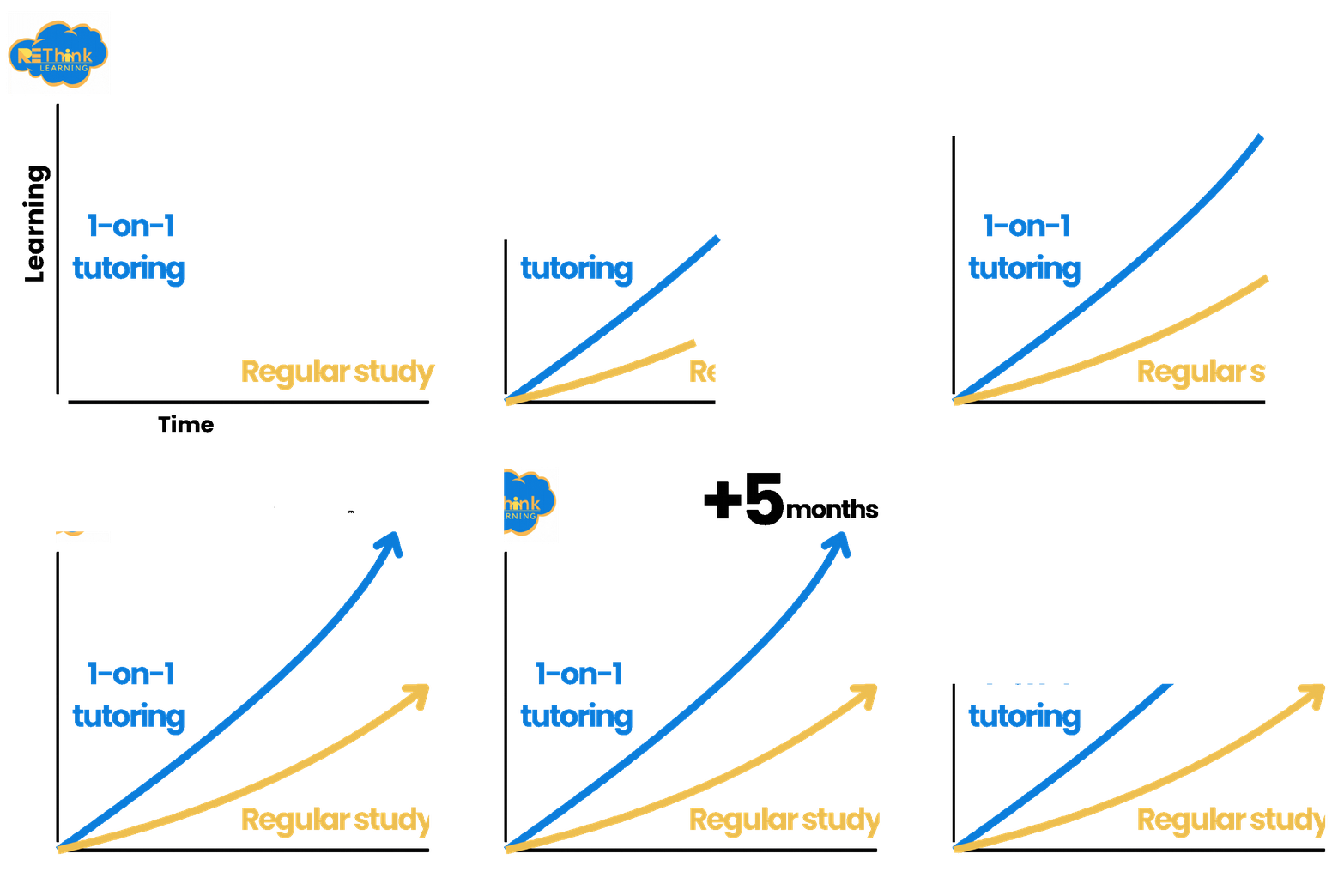
One-to-one tuition. It’s simple, but powerful.
Focused time, support and feedback create meaningful impact.
The Education Endowment Foundation (EEF), one of the world’s most trusted research organisations, found that this approach can lead to five months of extra progress on average. For many students, that’s the difference between struggling and feeling on top of their learning.
So what makes it so effective for your child?
Personalised attention
Every child has different needs. In a busy classroom, it’s easy for gaps to appear. One-to-one tuition means the tutor can focus entirely on your child — breaking down tricky ideas, answering questions and adapting the pace to suit them.
This personalised support helps children who may have fallen behind, but it’s just as powerful for extending those who are ready for more challenge.
A boost in confidence
Marks matter, but confidence matters more.
One-to-one tuition gives your child a safe space to ask the questions they might not want to ask in class. They leave each session with greater clarity and belief in their own abilities. That boost often shows up back in the classroom, where they feel more ready to contribute and take on challenges.
Quality over quantity
The EEF highlights that tuition works best when it’s structured, targeted and connected to schoolwork.
That’s why one focused session a week with us can make a real difference. With clear goals and consistent guidance, your child builds knowledge and confidence steadily that is related to the classroom— without feeling overloaded.
Who benefits most?
- Younger students often see the biggest leaps.
- Reading and writing show particularly strong improvements.
- Children who’ve faced barriers or challenges tend to benefit even more.
What this means for you
As a parent, you want to know your investment of time and money is worthwhile. The research is clear: one-to-one tuition is one of the most effective ways to help a child catch up, keep up, or move ahead.
And the benefits go beyond grades. It’s about confidence, resilience, and giving your child the personalised support they deserve.
Final thought:
One-to-one tuition isn’t just “extra tutoring”. It’s a chance for your child to feel heard, supported, and capable — and to take real steps forward in their learning journey.
Frequently Asked Questions
How effective is one-to-one tutoring?
Research from the Education Endowment Foundation shows one-to-one tutoring
delivers an average of five months additional progress compared to classroom
instruction alone.
What age benefits most from tutoring?
Younger students (primary and early high school) typically see the largest
improvements, particularly in reading and writing skills.
How often should my child have tutoring?
One focused session per week with structured, targeted content connected to
schoolwork is most effective without causing overload.
<script type=”application/ld+json”>
{
“@context”: “https://schema.org”,
“@type”: “FAQPage”,
“mainEntity”: [
{
“@type”: “Question”,
“name”: “How do you structure a short answer response?”,
“acceptedAnswer”: {
“@type”: “Answer”,
“text”: “Use the 4-step framework: Answer the question directly, structure your response using PEEL, include textual evidence, and provide analysis of the effect and meaning.”
}
},
{
“@type”: “Question”,
“name”: “How long should a short answer be in HSC English?”,
“acceptedAnswer”: {
“@type”: “Answer”,
“text”: “Match your response length to the marks allocated. A 3-mark question typically requires 3-4 sentences with one piece of evidence and analysis.”
}
}
]
}
</script>
 RETHINK LEARNING
Leave a comment